
Hier führen wir die Quellen auf die wir für unsere Artikel verwendet haben - kompakt und übersichtlich. Allgemeine Quellen beziehen sich hierbei auf Quellen auf welchen der ganze Artikel teilweise basiert, spezifische Quellen sind im Artikel gekennzeichnet.
KI rechnet - wir denken
0:00 /0:06 1× “Die erste Welle war Euphorie. Die zweite war Überforderung.” Viele Prozesse stehen mitten im Wandel: Sie laufen schneller, Entscheidungen werden komplexer und die Spielregeln verändern sich leise – aber radikal. Hierbei wird Ki zunehmend immer wichtiger und beginnt massiven Einfluss zu haben, wodurch jedoch die Verantwortung
 ThinkBeyondAiEmil Ohligs
Spezifische Quellen
Geht uns die Arbeit aus? Warum die Job-Debatte über AI in die Irre führt
„KI nimmt uns die Arbeit weg.“ Kaum ein Satz fällt in Gesprächen mit Führungskräften, Studierenden oder Unternehmern häufiger. Er ist verständlich, weil er ein diffuses Gefühl bündelt: die Angst, ersetzbar zu sein. Medien helfen nicht gerade, diese Angst zu sortieren. Schlagzeilen sind eindeutig, die Wirklichkeit selten. Und genau hier beginnt
 ThinkBeyondAiSven von Bismarck
Allgemeine Quellen
Spezifische Quellen
- https://www.goldmansachs.com/insights/articles/generative-ai-could-raise-global-gdp-by-7-percent
- https://www.reuters.com/technology/ai-intensive-sectors-are-showing-productivity-surge-pwc-says-2024-05-20
- https://www.oecd.org/en/publications/the-impact-of-ai-on-the-workplace-main-findings-from-the-oecd-ai-surveys-of-employers-and-workers_ea0a0fe1-en.html
- https://blogs.cisco.com/news/advancing-u-s-ai-leadership-cisco-to-skill-1-million-people
- https://www.governor.virginia.gov/newsroom/news-releases/2025/july/name-1053354-en.html
- https://globaluploads.webflow.com/64d5f73a7fc5e8a240310c4d/650a128a34386a1206b6506c_FINAL%20Briefing%20-%20Adoption%20of%20Automation%20and%20AI%20in%20the%20UK.pdf
Interview mit Bain Partner: Wie verändert KI den Arbeitsmarkt?
Als Senior Partner bei Bain hat Axel Erhard eine besonders aufschlussreiche und analytische Perspektive, um einzuschätzen, was im Zeitalter von KI in den kommenden Jahren auf Unternehmen zukommen könnte – worauf wir uns freuen dürfen und was wir mit kritischem Blick im Auge behalten sollten.
 ThinkBeyondAiCarl Erhard
Spezifische Quellen
Prompt Literacy: Lernen effektiv mit KI zu arbeiten
Ein neuer Begriff für eine alte Kunst “Prompt Literacy” – das klingt nach einem Fachbegriff aus der IT-Branche, ist aber im Kern eine uralte Fähigkeit: die Kunst, durch Sprache Wirkung zu erzeugen. Nur dass wir heute nicht mehr Menschen adressieren, sondern Maschinen. Aber was passiert, wenn wir Maschinen fragen, aber nicht
 ThinkBeyondAiCarl Erhard
Spezifische Quellen
- https://arxiv.org/abs/2309.11445
- https://towardsdatascience.com/prompt-literacy-the-new-literacy-for-the-generative-age-9f54c9cf3b5f
- https://www.researchgate.net/publication/Prompt_Engineering_in_Higher_Education
- https://dl.acm.org/doi/10.1145/3442188.3445922
- https://www.oii.ox.ac.uk/research/publications
- https://www.technologyreview.com
KI in Retail – Algorithmus trifft auf Empathie
In einem Umfeld, das von Statistiken, Algorithmen und Datenmodellen geprägt ist, spricht sie über Empathie. Professorin Inhwa Kim – eine Forscherin und Spezialistin im KI- und Retail-Bereich, die Künstliche Intelligenz nicht nur entwickelt, sondern aus verschiedenen Perspektiven versteht: technisch und analytisch, sowie psychologisch kommunikativ – und zutiefst menschlich. Während meines Austauschsemesters an
 ThinkBeyondAiCarl Erhard
Spezifische Quellen
Kim, I. (2025). From Adoption to Optimization of AI-Powered Retail Service Robots: Consumer Switching and Communication Effectiveness. University of Tennessee.
Kim, I., Ki, C.-W., Lee, H. & Kim, Y.-K. (2024). Virtual Influencer Marketing: Evaluating the Influence of Virtual Influencers' Form Realism and Behavioral Realism on Consumer Ambivalence and Marketing Performance. Journal of Business Research, 176, 114611. https://doi.org/10.1016/j.jbusres.2024.114611
Custom Market Insights (2024). Retail Robotics Market Outlook 2024–2033. https://www.custommarketinsights.com/report/retail-robot-market/
Mori, M. (1970). The Uncanny Valley. Energy, 7(4), 33–35. Erstmals ins Englische übersetzt von MacDorman, K. F. & Kageki, N. (2012) in IEEE Robotics & Automation Magazine, 19(2), 98–100.
Die Cloud - eine Datenfalle
Wir sprechen über die Cloud, als wäre sie ein Ort über den Dingen – leicht, abstrakt, irgendwo zwischen Himmel und Internet. Doch die Cloud existiert nicht, zumindest nicht so, wie wir sie uns vorstellen. In Wahrheit ist sie eine Sammlung aus Millionen physischen Servern, die in riesigen Hallen stehen – kühl, laut
 ThinkBeyondAiCarl Erhard
Spezifische Quellen
- Li, P., Yang, J., Islam, M. A. & Ren, S. (2023/2025). Making AI Less "Thirsty": Uncovering and Addressing the Secret Water Footprint of AI Models. arXiv:2304.03271 (Preprint 2023); aktualisierte Version veröffentlicht in Communications of the ACM, 2025. https://arxiv.org/abs/2304.03271
International Energy Agency (2025). Energy and AI. IEA, Paris. https://www.iea.org/reports/energy-and-ai
Shehabi, A. et al. (2024). United States Data Center Energy Usage Report. Lawrence Berkeley National Laboratory. Referenziert in IEA (2025).
Deutsche Energie-Agentur (2024). Energieeffiziente Künstliche Intelligenz für eine klimafreundliche Zukunft. Dena, Berlin.
Microsoft (2023). Environmental Sustainability Report 2023. https://www.microsoft.com/en-us/corporate-responsibility/sustainability/report
Schneider Electric Sustainability Research Institute (2025). The AI Disruption: Challenges and Guidance for Data Center Design. Referenziert in IEEE Spectrum, Oktober 2025. https://spectrum.ieee.org/ai-energy-use
Synergy Research Group (2025). Cloud Market Share Q2 2025. https://www.srgresearch.com/articles/cloud-market-share-trends-big-three-together-hold-63-while-oracle-and-the-neoclouds-inch-higher
Epoch AI (2025). How Much Energy Does ChatGPT Use? Gradient Updates. https://epoch.ai/gradient-updates/how-much-energy-does-chatgpt-use
BestBrokers (2026). AI's Power Demand: Calculating ChatGPT's Electricity Consumption. https://www.bestbrokers.com/forex-brokers/ais-power-demand-calculating-chatgpts-electricity-consumption-for-handling-over-78-billion-user-queries-every-year/
Carbon Brief (2025). AI: Five Charts That Put Data-Centre Energy Use into Context. https://www.carbonbrief.org/ai-five-charts-that-put-data-centre-energy-use-and-emissions-into-context/
OpenAI (2026). How Your Data Is Used to Improve Model Performance. Aktualisiert März 2026. https://openai.com/policies/how-your-data-is-used-to-improve-model-performance/
OpenAI (2025). Privacy Policy. https://openai.com/policies/row-privacy-policy/
Erfahrung schlägt Effizienz – warum Urteilskraft der wahre Wettbewerbsvorteil im AI-Zeitalter ist
Wenn alles schneller wird – was bleibt dann wertvoll? Wir leben in einer Zeit, in der sich alles beschleunigt: Kommunikation, Entscheidungen, Geschäftsmodelle.
AI-Tools analysieren Daten, schreiben Berichte, erstellen Marktstudien – in Sekunden statt Tagen. Doch Geschwindigkeit allein schafft keinen Fortschritt.
Im Gegenteil: Je mehr wir automatisieren, desto größer wird die Versuchung, Entscheidungen
 ThinkBeyondAiSven von Bismarck
Was Studien wirklich zeigen: KI wirkt nur im Kontext – und mit Menschen, die denken
KI kann viel – aber nicht alles Kaum eine Technologie hat sich so schnell verbreitet wie Künstliche Intelligenz.
In kaum einem Jahr wurde mehr experimentiert, investiert und publiziert.
Doch jenseits des Hypes zeichnet sich ein Muster ab:
KI entfaltet ihren Wert erst dann, wenn sie in menschliche Denk-, Entscheidungs- und Organisationslogiken
 ThinkBeyondAiSven von Bismarck
Spezifische Quellen
- Boston Consulting Group (2025): AI at Work 2025 – Momentum builds, but gaps remain.
→ bcg.com/publications/2025/ai-at-work-momentum-builds-but-gaps-remain - KPMG (2025): Trust, Attitudes and Use of Artificial Intelligence – A Global Study.
→ kpmg.com/xx/en/our-insights/ai-and-technology/trust-attitudes-and-use-of-ai.html - World Economic Forum (2025): AI in Action: Beyond Experimentation to Transform Industry.
reports.weforum.org/docs/WEF_AI_in_Action_Beyond_Experimentation_to_Transform_Industry_2025.pdf - Deloitte (2025): State of Generative AI in the Enterprise.
→ deloitte.com/global/en/issues/ai/state-of-generative-ai.html - IBM Institute for Business Value (2024): The AI Dilemma – How to Turn Productivity into Real Performance.
→ ibm.com/thought-leadership/institute-business-value - Harvard Business Review (2024): The Real Challenge of AI Adoption.
→ hbr.org
Outsourcing Minds: Wie KI und “Midjourney-Mentalität” unser Denken leise verändert
Während generative KI für Millionen zum kognitiven Co-Piloten wird, könnten die ersten Opfer dieser wachsenden Abhängigkeit unsere Aufmerksamkeit, Originalität und demokratische Widerstandsfähigkeit sein. Der Tag, an dem Denken anfing optional zu werden Über den größten Teil der Menschheitsgeschichte hinweg war Denken unvermeidlich. Wer schreiben wollte, musste sein Gedächtnis bemühen. Wer
 ThinkBeyondAiCarl Erhard
Spezifische Quellen
Kosmyna, N., Hauptmann, E., Yuan, Y. T., Situ, J., Liao, X.-H., Beresnitzky, A. V., Braunstein, I. & Maes, P. (2025). Your Brain on ChatGPT: Accumulation of Cognitive Debt when Using an AI Assistant for Essay Writing Task. arXiv Preprint arXiv:2506.08872. https://arxiv.org/abs/2506.08872
Stanković, M., Hirche, E., Kollatzsch, S. & Doetsch, J. N. (2025). Comment on: Your Brain on ChatGPT. arXiv Preprint arXiv:2601.00856. https://arxiv.org/abs/2601.00856
Lee, H.-P., Sarkar, A., Tankelevitch, L., Drosos, I., Rintel, S., Banks, R. & Wilson, N. (2025). The Impact of Generative AI on Critical Thinking: Self-Reported Reductions in Cognitive Effort and Confidence Effects From a Survey of Knowledge Workers. Microsoft Research / Carnegie Mellon University. https://www.microsoft.com/en-us/research/publication/the-impact-of-generative-ai-on-critical-thinking-self-reported-reductions-in-cognitive-effort-and-confidence-effects-from-a-survey-of-knowledge-workers/
Bender, E. M., Gebru, T., McMillan-Major, A. & Shmitchell, S. (2021). On the Dangers of Stochastic Parrots: Can Language Models Be Too Big? In Proceedings of the 2021 ACM Conference on Fairness, Accountability, and Transparency (FAccT '21), 610–623. https://doi.org/10.1145/3442188.3445922
Gerlich, M. (2025). AI Tools in Society: Impacts on Cognitive Offloading and the Future of Critical Thinking. Societies, 15(1), 6. https://doi.org/10.3390/soc15010006
Sarkar, A. et al. (2024/2025). "It makes you think": Provocations Help Restore Critical Thinking to AI-Assisted Knowledge Work. arXiv:2501.17247. https://arxiv.org/abs/2501.17247
Xu, K., Shen, Y., Yan, L. & Ren, Y. (2026). Cognitive Agency Surrender: Defending Epistemic Sovereignty via Scaffolded AI Friction. arXiv:2603.21735. https://arxiv.org/abs/2603.21735
Tankelevitch, L., Sarkar, A., Lee, H.-P. et al. (2025). Understanding, Protecting, and Augmenting Human Cognition with Generative AI: A Synthesis of the CHI 2025 Tools for Thought Workshop. arXiv:2508.21036. https://arxiv.org/abs/2508.21036
Dell'Acqua, F., McFowland III, E., Mollick, E. et al. (2023). Navigating the Jagged Technological Frontier: Field Experimental Evidence of the Effects of AI on Knowledge Worker Productivity and Quality. Harvard Business School Working Paper No. 24-013. https://www.hbs.edu/faculty/Pages/item.aspx?num=64700
Angewandte Midjourney-Mentalität: Wie Timing bei KI-Arbeit ihre Effektivität steigert
Warum KI vielen Menschen im Job schadet – und wie man sie richtig einsetzt Produktiver – und trotzdem schlechter? Generative KI hat sich schneller im Arbeitsalltag etabliert als jede vergleichbare Technologie zuvor. Texte, Analysen und Präsentationen entstehen heute in einem Bruchteil der Zeit, die noch vor wenigen Jahren nötig war. Für Unternehmen
 ThinkBeyondAiCarl Erhard
Spezifische Quellen
Dell'Acqua, F., McFowland III, E., Mollick, E., Lifshitz-Assaf, H., Kellogg, K., Rajendran, S., Krayer, L., Candelon, F. & Lakhani, K. R. (2023). Navigating the Jagged Technological Frontier: Field Experimental Evidence of the Effects of AI on Knowledge Worker Productivity and Quality. Harvard Business School Working Paper No. 24-013. https://www.hbs.edu/faculty/Pages/item.aspx?num=64700
Gerlich, M. (2025). AI Tools in Society: Impacts on Cognitive Offloading and the Future of Critical Thinking. Societies, 15(1), 6. https://doi.org/10.3390/soc15010006
Risko, E. F. & Gilbert, S. J. (2016). Cognitive Offloading. Trends in Cognitive Sciences, 20(9), 676–688. https://doi.org/10.1016/j.tics.2016.07.002
Bjork, E. L. & Bjork, R. A. (2011). Making Things Hard on Yourself, But in a Good Way: Creating Desirable Difficulties to Enhance Learning. Psychology and the Real World: Essays Illustrating Fundamental Contributions to Society, 2, 59–68.
OECD (2025). Skills Outlook 2025: Building the Skills of the 21st Century for All. OECD Publishing, Paris. https://www.oecd.org/en/publications/oecd-skills-outlook-2025_2a43ba59-en.html
Green, A. (2024). Artificial Intelligence and the Changing Demand for Skills in the Labour Market. OECD Artificial Intelligence Papers, No. 14. https://doi.org/10.1787/88684e36-en
World Economic Forum (2025). Future of Jobs Report 2025. Genf. https://www.weforum.org/publications/the-future-of-jobs-report-2025/
Coursera (2026). Job Skills Report 2026. https://www.coursera.org/skills-reports/job-skills
Wie KI-Modelle evaluiert & getestet werden
Bias, Metriken, Benchmarks, Performance-Tests – verständlich erklärt (Stand: 28.02.2026) KI-Modelle wirken in Demos oft beeindruckend: ein hoher Score, ein paar gute Beispiele – fertig. In der Praxis zeigt sich aber schnell: Ein Modell kann auf dem Papier stark sein und trotzdem im Alltag schwächeln. Gründe sind neue Daten, verändertes Nutzerverhalten
 ThinkBeyondAiEmil Ohligs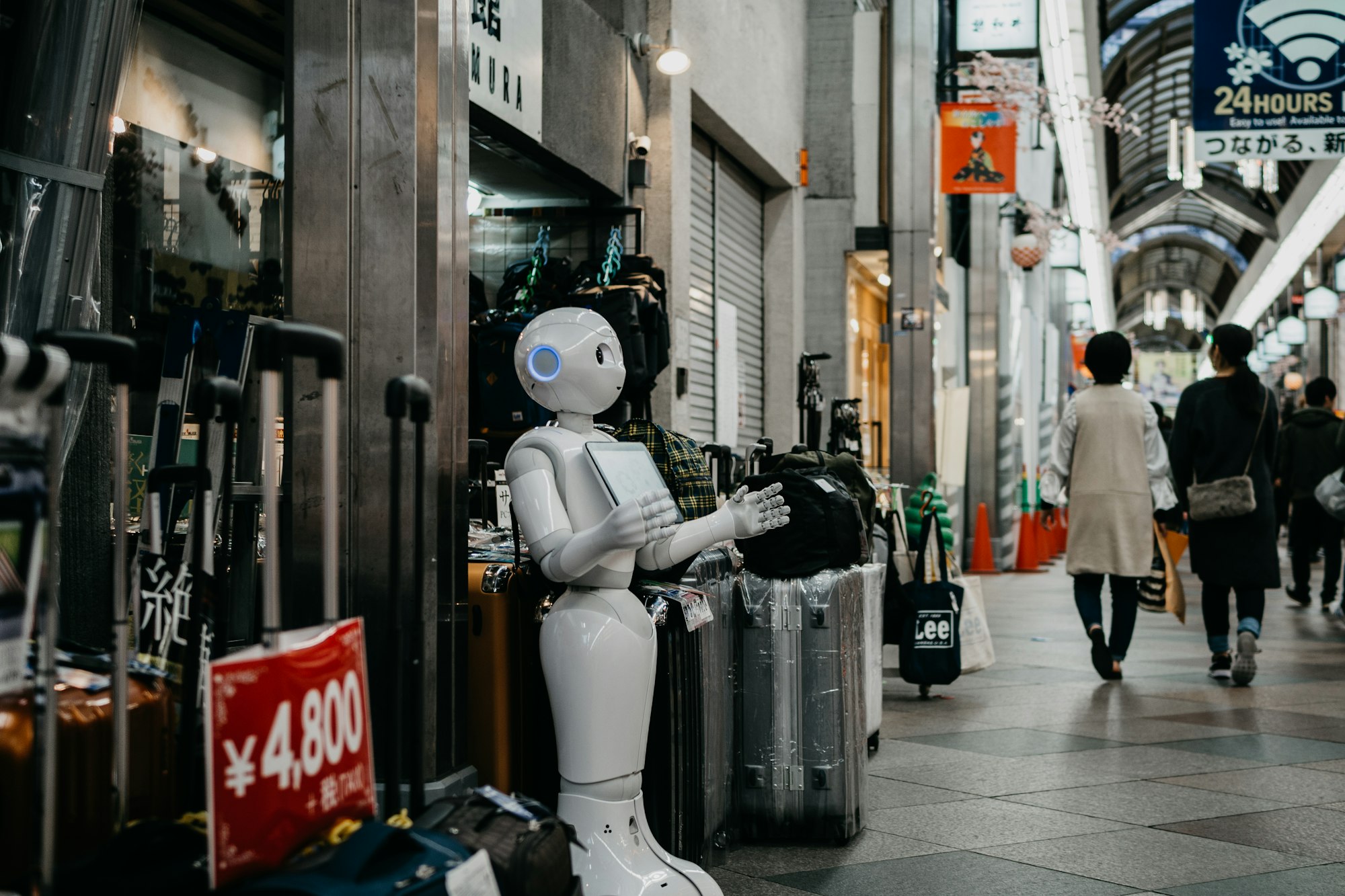
Spezifische Quellen
- NIST (2023). AI Risk Management Framework (AI RMF 1.0).https://nvlpubs.nist.gov/nistpubs/ai/NIST.AI.100-1.pdf
- ISO/IEC (2023). ISO/IEC 22989:2023 Artificial intelligence – Concepts and terminology.(ISO-Seite, Paywall)
- Sculley, D. et al. (2015). Hidden Technical Debt in Machine Learning Systems.https://papers.nips.cc/paper_files/paper/2015/file/86df7dcfd896fcaf2674f757a2463eba-Paper.pdf
- Amershi, S. et al. (2019). Software Engineering for Machine Learning: A Case Study.https://www.microsoft.com/en-us/research/uploads/prod/2019/03/amershi-icse-2019_SE4ML.pdf
- Refaeilzadeh, P.; Tang, L.; Liu, H. (2009). Cross-Validation.https://link.springer.com/referenceworkentry/10.1007/978-0-387-39940-9_565
- Kili Technology (2023). Training, Validation and Test Sets: How to Split Machine Learning Data.https://kili-technology.com/blog/training-validation-and-test-sets-how-to-split-machine-learning-data
- Bouthillier, X. et al. (2021). Accounting for Variance in Machine Learning Benchmarks.https://www.jmlr.org/papers/v22/20-729.html
- Kapoor, S.; Narayanan, A. (2023). Leakage and the Reproducibility Crisis in Machine Learning-based Science.https://www.cell.com/patterns/fulltext/S2666-3899(22)00213-6
- Braiek, H. B.; Khomh, F. (2020). On Testing Machine Learning Programs.https://www.sciencedirect.com/science/article/pii/S0164121220300993
- IEEE (2022). IEEE 29119-11:2022 – Testing of AI-based systems.(IEEE-Seite, meist Paywall)
- Breck, E. et al. (2017). The ML Test Score: A Rubric for ML Production Readiness and Technical Debt Reduction.https://storage.googleapis.com/pub-tools-public-publication-data/pdf/45742.pdf
- Saito, T.; Rehmsmeier, M. (2015). Precision-Recall Plot vs ROC Plot on Imbalanced Datasets.https://journals.plos.org/plosone/article?id=10.1371/journal.pone.0118432
- Chicco, D.; Jurman, G. (2020). Advantages of MCC over F1 and Accuracy.https://bmcgenomics.biomedcentral.com/articles/10.1186/s12864-019-6413-7
- Hyndman, R. J.; Koehler, A. B. (2006). Measures of Forecast Accuracy.https://www.sciencedirect.com/science/article/pii/S0169207006000239
- Holtzman, A. et al. (2020). Neural Text Degeneration.https://openreview.net/forum?id=rygGQyrFvH
- Papineni, K. et al. (2002). BLEU.https://aclanthology.org/P02-1040/
- Lin, C.-Y. (2004). ROUGE.https://aclanthology.org/W04-1013/
- Zhang, T. et al. (2020). BERTScore.https://openreview.net/forum?id=SkeHuCVFDr
- Hendrycks, D. et al. (2021). MMLU.https://arxiv.org/abs/2009.03300
- Srivastava, A. et al. (2022). BIG-bench.https://arxiv.org/abs/2206.04615
- Liang, P. et al. (2023). HELM.https://arxiv.org/abs/2211.09110
- Cobbe, K. et al. (2021). GSM8K.https://arxiv.org/abs/2110.14168
- Chen, M. et al. (2021). HumanEval.https://arxiv.org/abs/2107.03374
- Kocetkov, D. et al. (2023). SWE-bench.https://arxiv.org/abs/2310.06770
- Yue, X. et al. (2024). MMMU.https://arxiv.org/abs/2311.16502
- Barocas, S.; Hardt, M.; Narayanan, A. (2019). Fairness and Machine Learning.https://fairmlbook.org
- Kleinberg, J. et al. (2017). Trade-Offs in Fair Risk Scores.https://www.pnas.org/doi/10.1073/pnas.1702251114
- Mitchell, M. et al. (2019). Model Cards.https://proceedings.mlr.press/v97/mitchell19a.html
- Bellamy, R. K. E. et al. (2019). AI Fairness 360 (AIF360).https://arxiv.org/abs/1810.01943
- Bird, S. et al. (2020). Fairlearn.https://arxiv.org/abs/1905.12843
- NIST (2022). SP 1270 – Managing Bias in AI.https://nvlpubs.nist.gov/nistpubs/specialpublications/nist.sp.1270.pdf
- Hendrycks, D.; Dietterich, T. (2019). Robustness to Common Corruptions.https://arxiv.org/abs/1903.12261
- Ovadia, Y. et al. (2019). Trusting Uncertainty under Dataset Shift.https://arxiv.org/abs/1906.02530
- Ji, Z. et al. (2023). Hallucination Survey.https://arxiv.org/abs/2301.05225
- Lin, S. et al. (2022). TruthfulQA.https://arxiv.org/abs/2109.07958
- Wang, X. et al. (2023). Robustness of ChatGPT (Survey).https://arxiv.org/abs/2302.11382
- Nishtala, R. et al. (2019). Real-Time Machine Learning.https://www.vldb.org/pvldb/vol12/p1780-nishtala.pdf
- Google (laufend gepflegt). Rules of Machine Learning.https://developers.google.com/machine-learning/guides/rules-of-ml
Unterschiedliche KI-Architekturen: LLMs, CNNs und Reinforcement Learning im Vergleich
Künstliche Intelligenz wird häufig als einheitliche Technologie wahrgenommen. In der Praxis basiert moderne KI jedoch auf grundlegend unterschiedlichen Architekturen, die jeweils für klar abgegrenzte Problemklassen optimiert sind. Ob ein System Texte analysiert, Bilder erkennt oder autonome Entscheidungen trifft, hängt nicht von einer allgemeinen „Intelligenz“ ab, sondern von der strukturellen Auslegung
 ThinkBeyondAiEmil Ohligs
Spezifische Quellen
- Vaswani, A. et al. (2017): Attention Is All You Need. arXiv.
- Brown, T. B. et al. (2020): Language Models are Few-Shot Learners. arXiv.
- Sennrich, R., Haddow, B. & Birch, A. (2015): Neural Machine Translation of Rare Words with Subword Units. arXiv.
- Krizhevsky, A., Sutskever, I. & Hinton, G. E. (2012): ImageNet Classification with Deep Convolutional Neural Networks. NeurIPS.
- He, K. et al. (2015): Deep Residual Learning for Image Recognition. arXiv.
- Sutton, R. S. & Barto, A. G. (2018): Reinforcement Learning: An Introduction. MIT Press.
- Mnih, V. et al. (2015): Human-level control through deep reinforcement learning. Nature.
Agenten als Organisationsprinzip für KI-gestützte Arbeit
Große Sprachmodelle werden häufig noch wie ein universelles Werkzeug behandelt: ein Prompt, eine Antwort, ein Ergebnis. Dieser Ansatz funktioniert für einfache Aufgaben erstaunlich gut, stößt aber schnell an Grenzen sobald Komplexität ins Spiel kommt. Genau hier setzt das Konzept von Agenten an. Agenten sind weniger eine neue technologische Fähigkeit als
 ThinkBeyondAiEmil Ohligs
Spezifische Quellen
- Yao, S. et al. (2023): ReAct: Synergizing Reasoning and Acting in Language Models. arXiv.
- Schick, T. et al. (2023): Toolformer: Language Models Can Teach Themselves to Use Tools. arXiv.
- Anthropic (2024): Building Effective AI Agents. Anthropic Research.
- OpenAI (2025): Agents SDK. OpenAI API Documentation.
- OpenAI (2025): Agents. OpenAI API Documentation.
- OpenAI (2025): A Practical Guide to Building Agents. OpenAI.
- Anthropic (2026): Demystifying evals for AI agents. Anthropic Engineering.
Wie funktionieren eigentlich Large Language Models?
Disclaimer: In diesem Artikel versuche ich das Thema Large Language Models (LLMs) und ihre Funktionsweise kurz und möglichst intuitiv zu erklären. Hierbei dient das phänomenale Video vom Youtube Kanal “3Blue1Brown” als Hauptquelle. Generell kann ich diesen Kanal für mathematische Konzepte sehr empfehlen. Zu jeder Formel und jedem Theorem existieren anschauliche
 ThinkBeyondAiEmil Ohligs
Spezifische Quellen
- Grant Sanderson / 3Blue1Brown (2024): Large Language Models explained briefly. YouTube.
- Vaswani, A. et al. (2017): Attention Is All You Need. arXiv / NeurIPS.
- Brown, T. B. et al. (2020): Language Models are Few-Shot Learners. arXiv / NeurIPS.
- Mikolov, T. et al. (2013): Distributed Representations of Words and Phrases and their Compositionality. arXiv / NeurIPS.
- Ouyang, L. et al. (2022): Training language models to follow instructions with human feedback. arXiv / NeurIPS.
- Sennrich, R., Haddow, B. & Birch, A. (2015): Neural Machine Translation of Rare Words with Subword Units. arXiv.
- Allen, C. & Hospedales, T. (2019): Analogies Explained: Towards Understanding Word Embeddings. ICML / arXiv.
KI in Beratung: Konkrete Skills im praktischen Kontext
Was echte Palantir-Consulting-Projekte über die Zukunft deines Einstiegsjobs verraten — und warum ein gut gebauter Masterprompt dieselbe Arbeit im Kleinen ist. Ezekiel Akinsanya studierte vier Jahre in Princeton mit einem klaren Ziel: McKinsey. Consulting-Club gegründet, Sommer-Praktika absolviert, Cases gedrillt. Im Frühjahr 2026 schloss er ab — und entschied sich gegen Consulting. Seine
 ThinkBeyondAiCarl Erhard
Spezifische Quellen
BCG (2024) AI Adoption in 2024: 74% of Companies Struggle to Achieve and Scale Value. Boston Consulting Group, Pressemitteilung, 24. Oktober 2024. Verfügbar unter: https://www.bcg.com/press/24october2024-ai-adoption-in-2024-74-of-companies-struggle-to-achieve-and-scale-value
Boyle, M. (2026) Consulting Was a Dream First Job Until AI Threatened Those Roles. Bloomberg Businessweek, 15. April 2026. Verfügbar unter: https://www.bloomberg.com/news/articles/2026-04-15/ai-influences-how-mckinsey-bcg-bain-hire-for-entry-level-consulting-jobs
Financial Times (2025) McKinsey reduziert Belegschaft um rund 10 Prozent über 18 Monate. FT-Berichterstattung, referenziert in: CityAM, McKinsey slashes 10 per cent of jobs in major overhaul, 28. Mai 2025. Verfügbar unter: https://www.cityam.com/mckinsey-slashes-work-force-10-per-cent-in-major-overhaul/
Financial Times (2026) McKinsey pilots AI-enabled interview format using internal Lilli tool. FT-Berichterstattung, referenziert in: CFO.com, McKinsey's new AI hiring experiment puts pressure on the 'up-or-out' model, Januar 2026, sowie in Fortune, McKinsey challenges graduates to master AI tools, 14. Januar 2026. Verfügbar unter: https://fortune.com/2026/01/14/how-to-get-hired-at-mckinsey-ai-tools-liberal-arts-creativity/
Franzen, C. (2023) Consulting giant McKinsey unveils its own generative AI tool for employees: Lilli. VentureBeat, 18. August 2023. Verfügbar unter: https://venturebeat.com/ai/consulting-giant-mckinsey-unveils-its-own-generative-ai-tool-for-employees-lilli
Management Consulted (2026) McKinsey Lilli Interview: Format, What to Expect & How to Prepare. Verfügbar unter: https://managementconsulted.com/mckinsey-lilli/
Persönliche Quelle (o.J.) Industry Brief im Rahmen der Bain-Palantir-Zusammenarbeit (CPG-Sektor). Use-Case-Daten zu Tyson Foods, General Mills und Conagra. Nicht öffentlich.
Poets&Quants (2024) Why McKinsey, Bain & BCG Aren't Likely To Hire Many MBAs Full-Time In Fall 2024. Poets&Quants for Execs, 30. Juni 2024 (mit Bezug auf Berichterstattung der Financial Times zur AI-Consulting-Umsatzentwicklung bei BCG). Verfügbar unter: https://poetsandquantsforexecs.com/news/why-mckinsey-bain-bcg-arent-likely-to-hire-many-mbas-full-time-in-fall-2024/
Pye, N. (2026) AI may up-end the consulting pyramid. Consultancy.uk, 19. Februar 2026. Verfügbar unter: https://www.consultancy.uk/news/43210/ai-may-up-end-the-consulting-pyramid
Sicherheit & Angriffspunkte von KI-Systemen
KI-Systeme sind produktiv, skalierbar — und angreifbar. Wer Large Language Models in Finanzprozessen einsetzt, schafft nicht nur Effizienz, sondern auch neue Angriffsflächen. Die OWASP hat die zehn kritischsten Schwachstellen klassifiziert. Was dahintersteckt und warum es für den Finanzsektor konkret relevant ist. Dieser Artikel ist Teil eines Workshops, die anderen Artikel findet
ThinkBeyondAiEmil Ohligs
Spezifische Quellen
OWASP Top 10 for LLM Applications: https://genai.owasp.org/llm-top-10/
Warum Datenqualität über Modellqualität entscheidet
Die KI-Branche debattiert Modellarchitekturen, Parametergrößen und Trainingsverfahren während das eigentliche Problem systematisch übersehen wird: die Qualität der Inputdaten. Wer schlechte Daten in ein leistungsstarkes Modell eingibt, bekommt schlechte Ergebnisse zurück. Das ist kein neues Prinzip. Unter dem Begriff Garbage In, Garbage Out ist es seit Jahrzehnten bekannt. Aber im Zeitalter
ThinkBeyondAiEmil Ohligs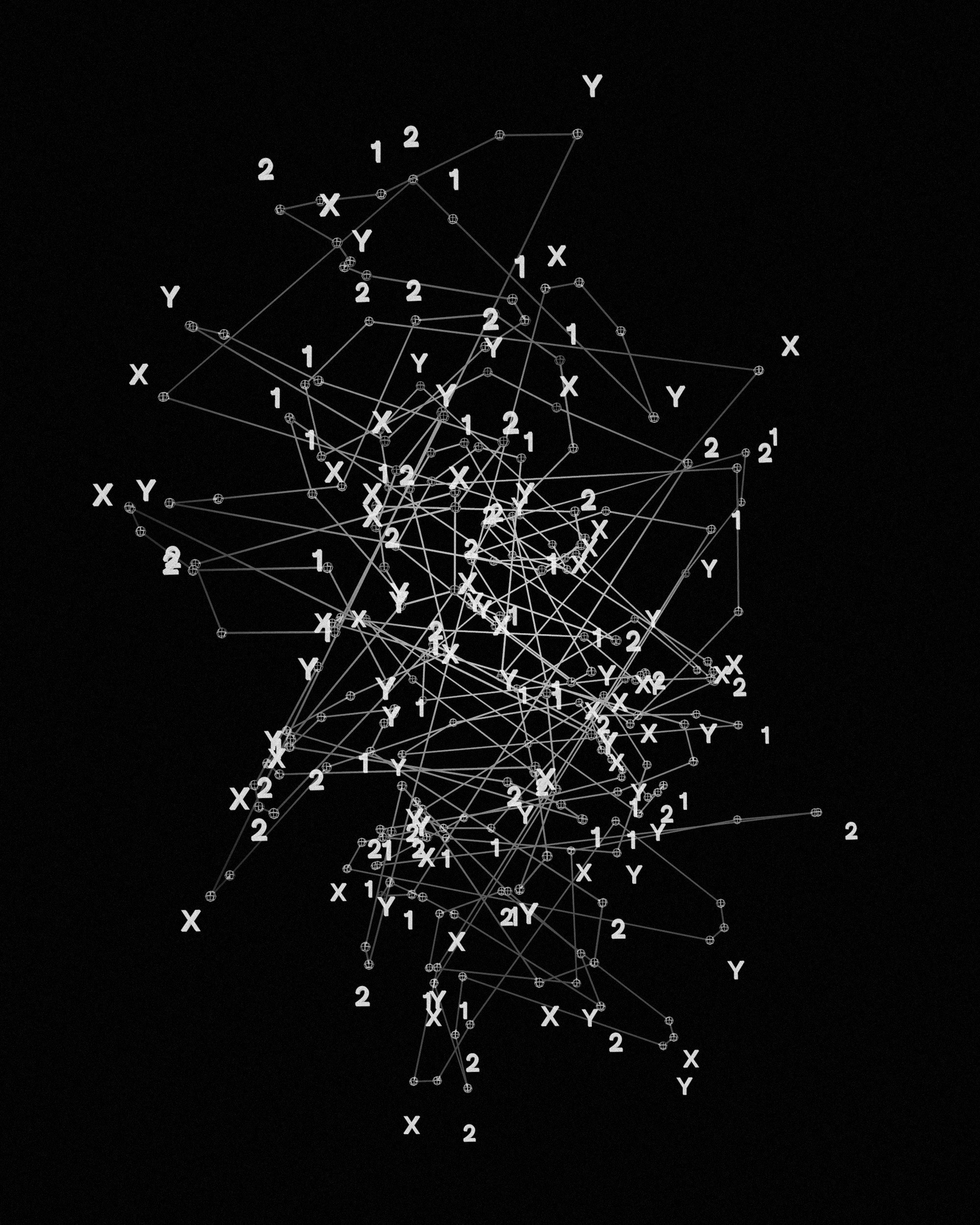
Spezifische Quellen
Everyone wants to do the model work, not the data work: Data Cascades in High-Stakes AI, Sambasivan et al. : https://dl.acm.org/doi/10.1145/3411764.3445518?ref=thinkbeyondai.com
Pervasive Label Errors in Test Sets Destabilize Machine Learning Benchmarks, Northcutt et al. : https://arxiv.org/pdf/2103.14749
Wenn das Testset lügt: Die weitreichenden Folgen von falschen Datensets
Wer ein KI-Modell auswählt, verlässt sich auf eine einfache Annahme: Das Modell mit der höchsten Accuracy auf dem Testset ist das beste Modell für den Produktionseinsatz. Eine Studie vom MIT zeigt, dass diese Annahme systematisch falsch sein kann — und zwar nicht aufgrund von Overfitting oder schlechter Architektur, sondern wegen eines
ThinkBeyondAiEmil Ohligs
Spezifische Quellen
Pervasive Label Errors in Test Sets Destabilize Machine Learning Benchmarks, Northcutt et al. : https://arxiv.org/pdf/2103.14749
Inference Economics: Warum günstigere Token nicht ausreichen
Günstiger pro Token, teurer insgesamt. Das ist die Paradoxie, mit der KI-Verantwortliche im Finanzsektor gerade konfrontiert sind. Die Kosten pro Verarbeitungseinheit sinken kontinuierlich, aber die Gesamtrechnung steigt. Das klingt widersprüchlich, ist aber erklärbar — und wer den Mechanismus dahinter versteht, trifft bessere Architekturentscheidungen. Was Inference überhaupt bedeutet Bevor es um Kosten
ThinkBeyondAiEmil Ohligs
Spezifische Quellen
Introl, Inference Unit Economics: The True Cost Per Million Tokens, Dezember 2025 — introl.com/blog/inference-unit-economics-true-cost-per-million-tokens-guide
Gartner, Navigating the Commoditization Trap as Token Costs Fall by Over 90% Through 2030, März 2026 — gartner.com/en/newsroom/press-releases/2026-03-25-gartner-predicts...
ikangai, The LLM Cost Paradox: How Cheaper AI Models Are Breaking Budgets, August 2025 — ikangai.com/the-llm-cost-paradox-how-cheaper-ai-models-are-breaking-budgets
Interview mit KI Forscherin Prof. Kim über Prompt Engineering
Was uns ein Experiment an der Oregon State University über gutes Prompting verrät Am 9. April 2026 fand an der WU Wien mit Ladies that Lead unser erster Prompt Engineering Workshop statt. Im Vorfeld hatte ich die Gelegenheit, erneut mit Prof. Inhwa Kim zu sprechen — der Forscherin, deren Arbeit zu
ThinkBeyondAiCarl Erhard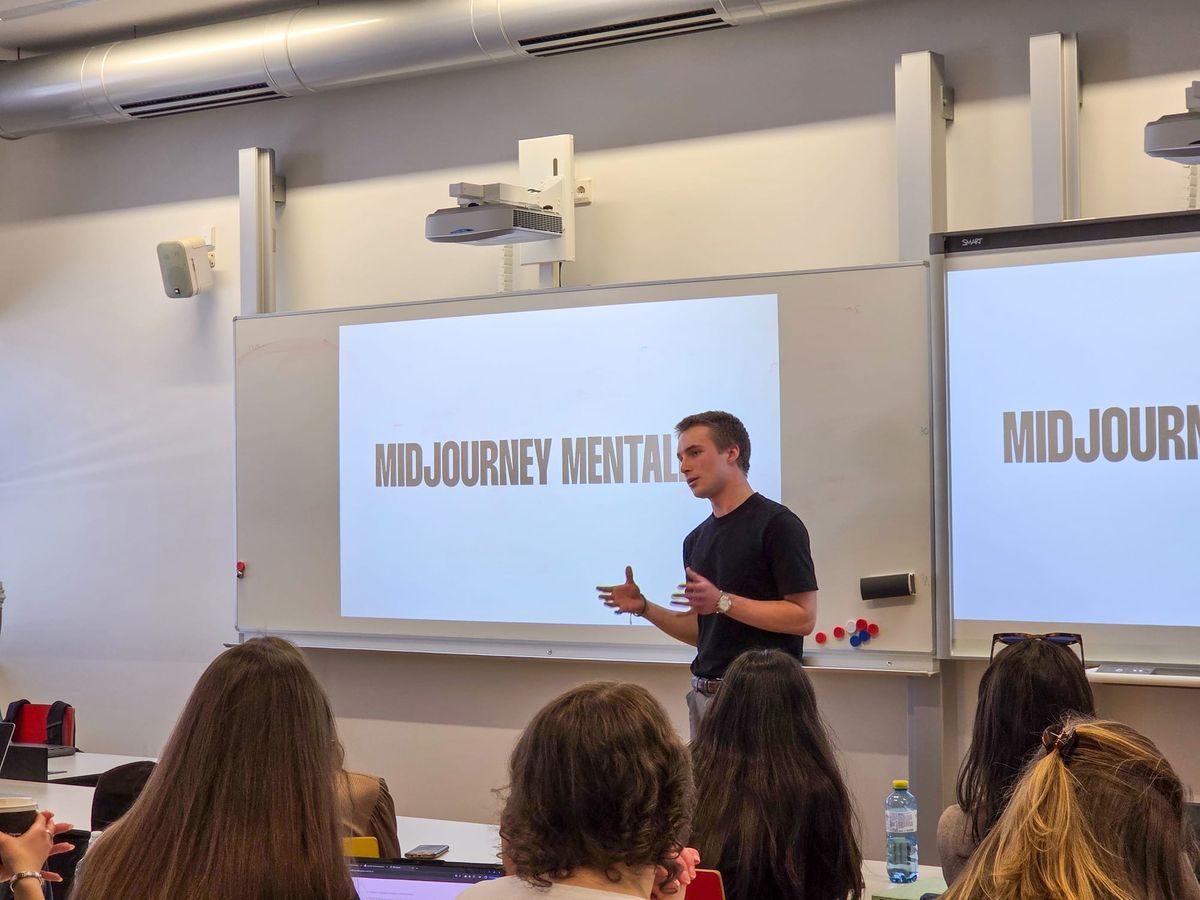
Spezifische Quellen
Kim, I. (2025). From Adoption to Optimization of AI-Powered Retail Service Robots: Consumer Switching and Communication Effectiveness. University of Tennessee.
Hwang, Y., Lee, J. H. & Shin, D. (2023). What is Prompt Literacy? An Exploratory Study of Language Learners' Development of New Literacy Skill Using Generative AI. arXiv:2311.05373. https://arxiv.org/abs/2311.05373
Maloy, R. W. & Gattupalli, S. (2024). Prompt Literacy: A Key for AI-Based Learning. ASCD Educational Leadership, 80(9).
Lee, D. & Palmer, E. (2025). Prompt Engineering in Higher Education: A Systematic Review to Help Inform Curricula.
Lee, H.-P., Sarkar, A., Tankelevitch, L. et al. (2025). The Impact of Generative AI on Critical Thinking. Microsoft Research / Carnegie Mellon University. https://www.microsoft.com/en-us/research/publication/the-impact-of-generative-ai-on-critical-thinking-self-reported-reductions-in-cognitive-effort-and-confidence-effects-from-a-survey-of-knowledge-workers/
KI trifft auf Regulierung - Beispiel: Banken
Stellen Sie sich vor, Sie beantragen einen Kredit. Sie haben ein geregeltes Einkommen, keine offenen Schulden etc. Trotzdem kommt die Absage — automatisch, innerhalb von Sekunden. Kein Sachbearbeiter, keine Begründung, keine Möglichkeit nachzufragen. Irgendwo in einem Rechenzentrum hat ein Algorithmus entschieden, dass Sie kein geeigneter Kreditnehmer sind. Was genau zu dieser
ThinkBeyondAIEmil Ohligs
Spezifische Quellen
Rechtsquellen
Europäisches Parlament und Rat der Europäischen Union (2024): Verordnung (EU) 2024/1689 über künstliche Intelligenz (EU AI Act). Amtsblatt der Europäischen Union, 12. Juli 2024. https://eur-lex.europa.eu/legal-content/DE/TXT/?uri=CELEX:32024R1689
Aufsichtsbehörden
BaFin — Bundesanstalt für Finanzdienstleistungsaufsicht (2024): KI bei Banken und Versicherern: Automatisch fair? BaFinJournal, 1. August 2024. Autoren: Lydia Albers, Dr. Matthias Fahrenwaldt, Ulrike Kuhn-Stojic, Dr. Martina Schneider. https://www.bafin.de/SharedDocs/Veroeffentlichungen/DE/Fachartikel/2024/fa-bj_0801_KI_Finanzindustrie.html
Verbände & Positionspapiere
Bankenverband — Bundesverband deutscher Banken e. V. (2025): Positionspapier zu einem KI-förderlichen Rechtsrahmen. Juli 2025. https://bankenverband.de/digitalisierung/positionspapier-zu-einem-ki-foerderlichen-rechtsrahmen
Weitere Quellen
TÜV Consulting (2026): EU AI Act ab 2. August 2026 — Was Unternehmen jetzt tun müssen. https://consulting.tuv.com/aktuelles/ki-im-fokus/hochrisiko-ki-anhang-iii
Wie maschinelles Lernen die Finanzindustrie seit Jahrzehnten prägt
Die Finanzindustrie entdeckt Künstliche Intelligenz nicht, sie kehrt zu ihr zurück. Während KI in der öffentlichen Wahrnehmung als Phänomen der letzten Jahre gilt, arbeiten Risikoabteilungen, Handelsdesks und Kreditinstitute seit Jahrzehnten mit lernenden Systemen. Der Unterschied zwischen einem Kreditscoring-Modell der 1990er Jahre und einem modernen Sprachmodell ist real aber er ist
ThinkBeyondAIEmil Ohligs
Spezifische Quellen
Loughran, T. & McDonald, B. (2011). When Is a Liability Not a Liability? Textual Analysis, Dictionaries, and 10-Ks. Journal of Finance, 66(1), S. 35–65.
Lopez de Prado, M. (2018). Advances in Financial Machine Learning. Wiley.
Vaswani, A., Shazeer, N., Parmar, N., Uszkoreit, J., Jones, L., Gomez, A. N., Kaiser, Ł. & Polosukhin, I. (2017). Attention Is All You Need. Advances in Neural Information Processing Systems, 30.
Wu, S., Irsoy, O., Lu, S., Dabravolski, V., Dredze, M., Gehrmann, S., Kambadur, P., Rosenberg, D. & Mann, G. (2023). BloombergGPT: A Large Language Model for Finance. arXiv preprint, arXiv:2303.17564
Warum KI nicht neutral antwortet: Alignment
Künstliche Intelligenz wirkt auf den ersten Blick wie ein neutrales Werkzeug. Eine Nutzerin stellt eine Frage, das System verarbeitet die Eingabe und gibt eine Antwort aus. Doch diese Antwort entsteht nicht in einem wertfreien Raum. Moderne KI-Systeme werden nicht nur darauf trainiert, sprachlich plausible Texte zu erzeugen. Sie werden zusätzlich
 ThinkBeyondAITom Buchholz
Spezifische Quellen
Bai, Y., Kadavath, S., Kundu, S., Askell, A., Kernion, J., Jones, A., Chen, A., Goldie, A., Mirhoseini, A., McKinnon, C., et al. (2022). Constitutional AI: Harmlessness from AI Feedback. arXiv:2212.08073.
National Institute of Standards and Technology. (2023). AI Risk Management Framework. NIST.
Ouyang, L., Wu, J., Jiang, X., Almeida, D., Wainwright, C. L., Mishkin, P., Zhang, C., Agarwal, S., Slama, K., Ray, A., et al. (2022). Training language models to follow instructions with human feedback. arXiv:2203.02155.
Zweck, A., & Werner, T. (2025). AI Alignment – Eine zentrale Herausforderung unserer Zeit? VDI Technologiezentrum GmbH, Zukünftige Technologien Nr. 109, Düsseldorf.
KI-SKILLS: ERST GEHALTSPRÄMIE, JETZT EU-GESETZ
Anfang August 2026 passiert etwas, das viele Unternehmen noch nicht auf dem Radar haben: Die nationalen Marktüberwachungsbehörden beginnen mit der Durchsetzung von Artikel 4 der EU-KI-Verordnung. Die Verordnung nennt den 2. August, das Q&A der Kommission den Folgetag. Die Pflicht selbst ist nicht neu, sie gilt bereits
 ThinkBeyondAICarl Erhard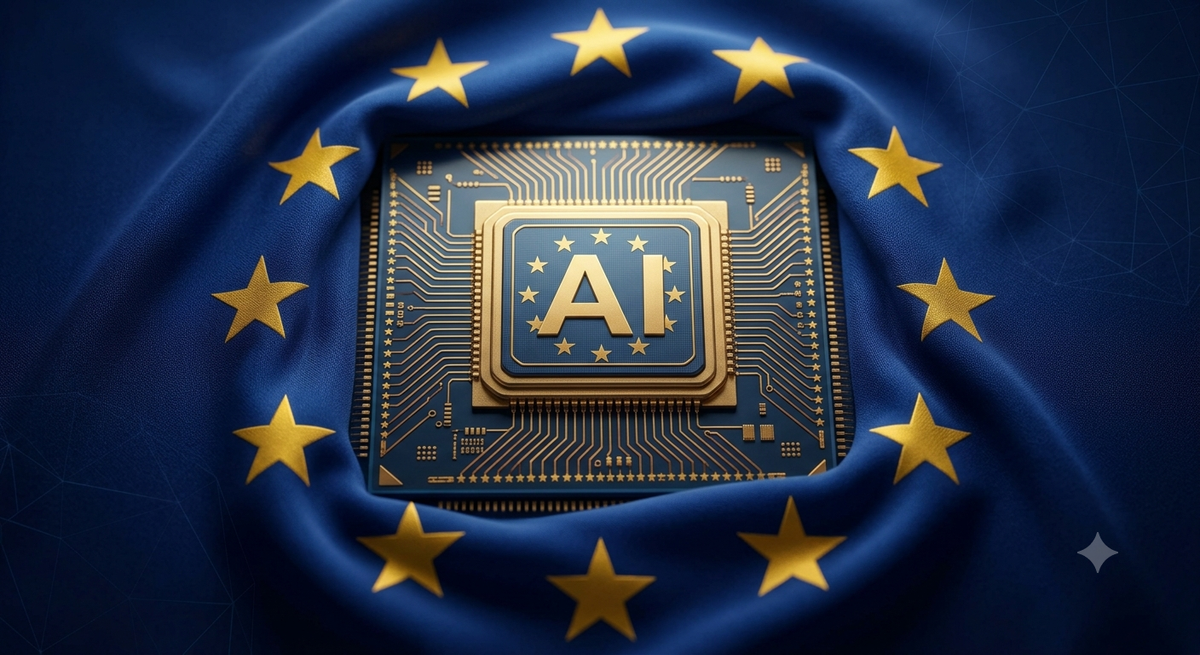
Spezifische Quellen
EU-Verordnung 2024/1689, Artikel 4, Volltext mit Verweis auf die amtliche Fassung: https://artificialintelligenceact.eu/article/4/
EU-Verordnung 2024/1689, Artikel 99 (Sanktionen): https://artificialintelligenceact.eu/article/99/
Europäische Kommission, AI Literacy – Questions & Answers (lebendes Dokument, inkl. Digital-Omnibus-Abschnitt): https://digital-strategy.ec.europa.eu/en/faqs/ai-literacy-questions-answers
Travers Smith, The EU AI Act's AI literacy requirement – key considerations: https://www.traverssmith.com/knowledge/knowledge-container/the-eu-ai-acts-ai-literacy-requirement-key-considerations/
Ropes & Gray, Five Takeaways From the EU Commission's AI Literacy Q&As (März 2026): https://www.ropesgray.com/en/insights/viewpoints/102kbn5/five-takeaways-from-the-eu-commissions-ai-literacy-qas
TÜV Rheinland Consulting, KI-Kompetenz nach Art. 4 EU AI Act (Verhandlungsstand Digital Omnibus, April 2026): https://consulting.tuv.com/aktuelles/ki-im-fokus/ki-kompetenz-art-4-eu-ai-act
PwC, 2026 Global AI Jobs Barometer (15. Juni 2026): https://www.pwc.com/gx/en/news-room/press-releases/2026/pwc-2026-ai-jobs-barometer.html
PwC, 2025 Global AI Jobs Barometer: https://www.pwc.com/gx/en/news-room/press-releases/2025/ai-linked-to-a-fourfold-increase-in-productivity-growth.html
Microsoft 365 Developer Blog, MCP-Unterstützung in Microsoft 365 Copilot (General Availability): https://devblogs.microsoft.com/microsoft365dev/build-declarative-agents-for-microsoft-365-copilot-with-mcp/
Microsoft AI Economy Institute, Global AI Diffusion Report Q1 2026: https://blogs.microsoft.com/on-the-issues/2026/05/07/the-state-of-global-ai-diffusion-in-2026/